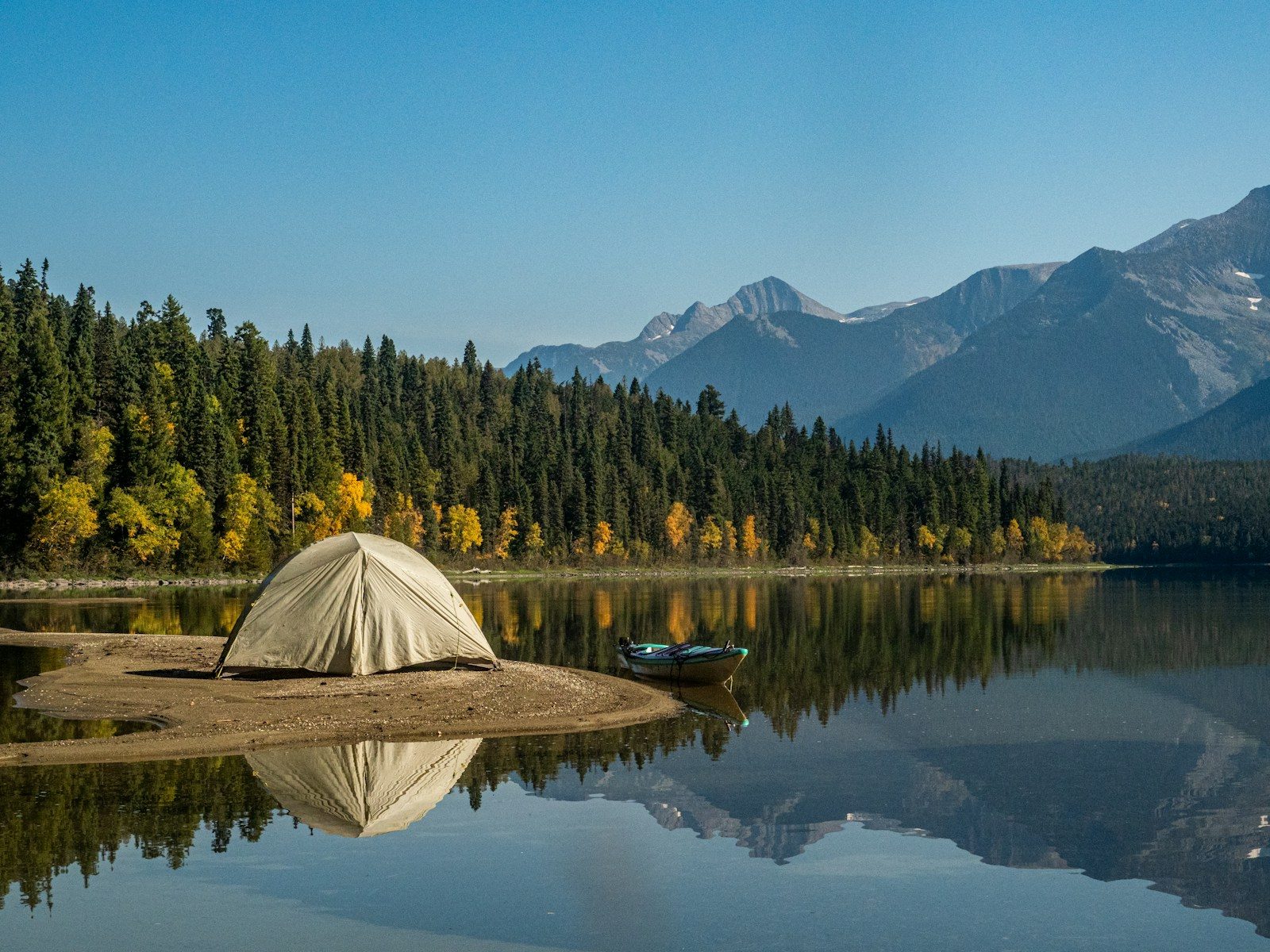
Planning a family camping and fishing trip is an adventure in itself. The memories made around the campfire and the excitement of a child reeling in their first fish are priceless. However, selecting the right gear is essential for comfort, safety, and a relaxing experience for both kids and adults. Whether you’re off for a quick shoreline outing or a whole weekend at a campground, a little preparation goes a long way.
It’s easy to get overwhelmed by the endless gadgets and gizmos at the outdoor store, but you don’t need fancy equipment to create wonderful memories. Instead, focus on gear that’s reliable, simple to use, and appropriate for your location and your family’s needs. Before you start packing, think about your destination: Is the campsite close to home or remote? Will you be near a lake, river, or fishing jetty? Are you cooking over an open fire, or is a camp stove more your style?
Early planning makes all the difference. If it’s your first outing, start small. A family-friendly campground near home, with easy water access and clean facilities, is ideal for young kids. Don’t forget to check the weather forecast and choose a cooler part of the day for fishing – both fish and children are most energetic in the morning.
When it comes to the main essentials, start with shelter. Tents are more than just a place to sleep: they keep everyone dry, warm, and organized. Manufacturers may say a tent sleeps six, but that often assumes close quarters! For a family of four, it’s wise to size up for comfort. Look for a tent with a secure rainfly, waterproof flooring, and mesh panels for airflow. Interior pockets help keep headlamps and bug spray handy, and a simple setup saves frustration. Add a ground tarp underneath (just be sure it doesn’t stick out past the tent or it’ll funnel rainwater in).
Good sleep can make or break any trip – especially with kids. Choose sleeping bags rated for nighttime lows, not just average temperatures, and bring sleeping pads to insulate everyone from the cold ground. A forgotten extra blanket or a damp pair of pajamas can lead to a long night, so pack spares of socks, sleepwear, and maybe a favorite pillow or stuffed animal for comfort.
Fishing starts with the right-sized rod and reel. Kids benefit from simple, lightweight rods with closed-face, push-button reels – they’re less frustrating and easier for small hands to manage. As children grow and gain confidence, consider a basic spinning combo. Safety is still the priority, so use barbless hooks (or pinch down the barbs), and keep a pair of needle-nose pliers in your tackle kit for quick hook removal. Teach kids to check behind them before every cast to avoid accidents.
Don’t overpack your tackle box; a few spare hooks, bobbers, split shot, pliers, extra line, and a small towel are usually enough. Worms or nightcrawlers are classic, easy-to-use bait for beginners. Always follow local fishing regulations – be sure your licenses are in order and know the rules about bait, catch limits, and fishing seasons.
No matter how confident your swimmers are, water safety comes first. Every child – and any adult who isn’t a strong swimmer – should wear a snug, U.S. Coast Guard-approved life jacket anywhere near water. Inflatable floaties or water wings are never a substitute. Assign one adult as a designated “water watcher,” whose sole job is to keep an eye on the kids, not to fish, text, or prepare snacks. Remind children not to run on slippery banks or cast without clearing the area behind them. Planning in advance, you’ll find lists like “Fishing, Camping and Outdoor Gear” at MyCozyTrove are especially handy for comparing real-world-tested products.
Layered, weather-appropriate clothing is key for comfort. Cotton can get miserable if it gets wet, so lean on moisture-wicking fabrics, fleece, and a waterproof or windproof outer layer. Wide-brimmed hats, sunglasses, and plenty of sunscreen help protect from sunburn, while bug spray is a must for evenings and wooded areas. Closed-toe shoes or waterproof boots are safest for fishing and camp exploring; sandals tend to slip on muddy banks.
Camp kitchen gear doesn’t have to be elaborate. A simple camp stove, cooler, reusable utensils, and a pot or pan will do the trick. Bring enough water for drinking and washing, plus snacks that kids can grab quickly – fruit, crackers, trail mix, or granola bars all work great. Keep raw and cooked food separate, and use resealable bags or containers to prevent spills.
Packing a family-friendly first aid kit ensures you’re ready for scrapes and bug bites. Include adhesive bandages, antiseptic wipes, tweezers, scissors, blister patches, and any prescription meds. Add sunscreen, after-bite treatment, and enough spare batteries or a portable charger for your light sources. Keep items like knives, matches, and fishing hooks handled by adults or stored out of children’s reach.
Here are a few extras to make your trip even smoother: headlamps or mini flashlights for everyone, duct tape for emergencies, rope, a whistle, maps (especially if you’ll lose cell service), and wipes or hand sanitizer for easy clean-up. Give kids their own camp “job,” such as helping sort tackle or carrying a mini backpack, to get them involved and invested.
Camping and fishing outings are about more than just gear or catching the biggest fish. Plan some simple activities – bring a deck of cards, a nature guidebook, or set up a scavenger hunt for local leaves, rocks, or animal tracks. Accept that plans may shift; what matters is that the day is fun, relaxed, and safe.
With thoughtful planning based on the real needs of your family, every trip can become a favorite tradition. The gear you bring should make your time together easier, safer, and more enjoyable, letting you focus on making memories that last for years to come.