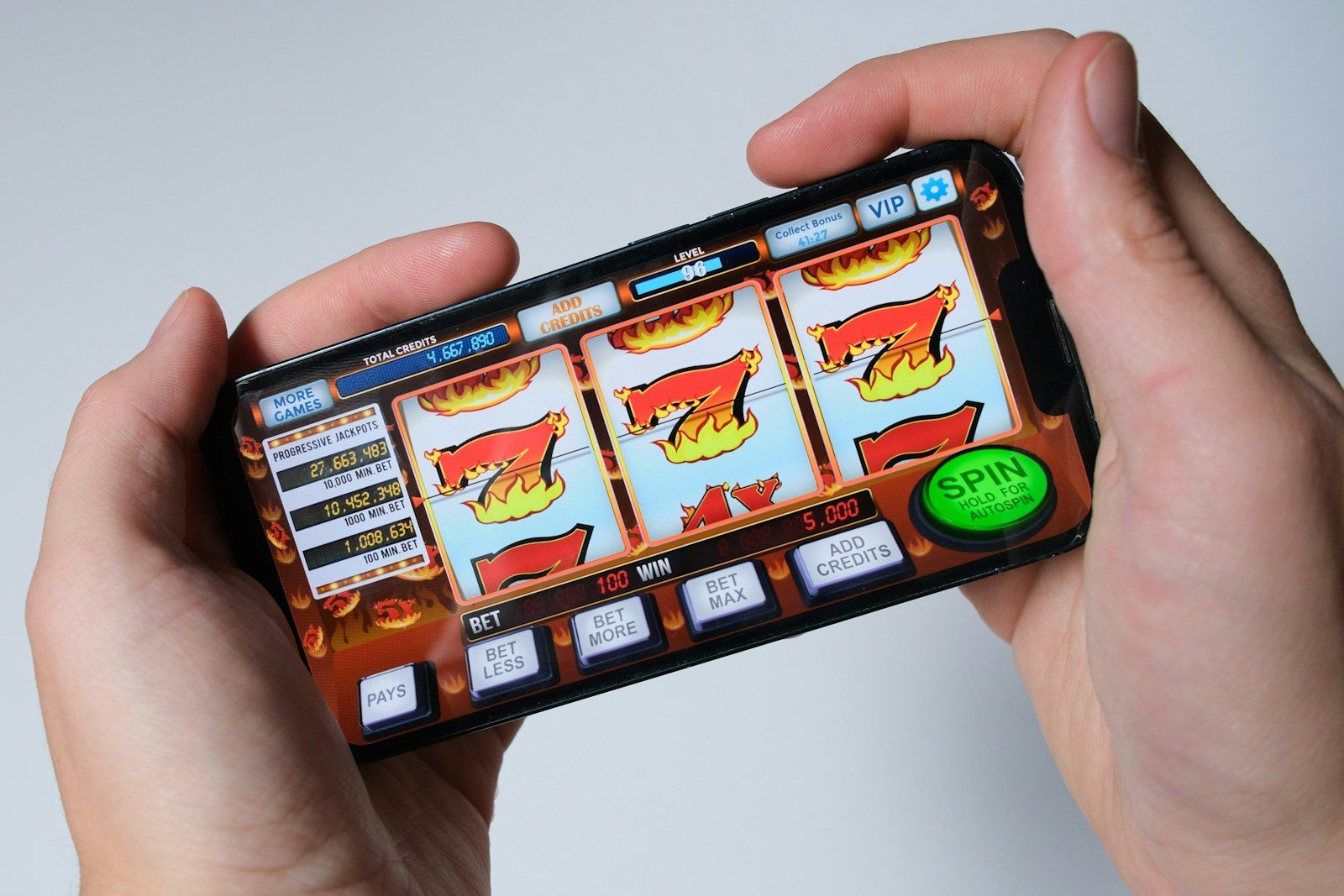
Chinese live casino dealers are carefully trained through intense, multi-week programs. These programs focus on game rules, player interaction, and following strict regulations – often all happening in specialized studios that stream games to players around the world. Training usually lasts from four to eight weeks, with the goal of turning recruits into skilled professionals who can host real-time games under high-tech cameras. Dealers need to master quick thinking, create lively atmospheres, and adapt to different cultures so each player gets a memorable experience.
The Growth of Live Casino Studios in China
Even though gambling is tightly restricted in China, the country has become a major force in the live casino industry by powering international online casinos from behind the scenes. Mainland China doesn’t allow casinos, except in places like Macau, but studios operating offshore – like those in the Philippines – employ thousands of Chinese dealers who stream live games to players worldwide. This industry attracts plenty of skilled young people, fluent in Mandarin, English, and even languages like Vietnamese and Korean.
Big companies team up with these studios, tailoring each gaming table for their brand. For example, if you want a deeper look at how these studios innovate, check out 华纳万宝路公司. Training here is much more than dealing cards; it’s about crafting an engaging experience that makes online players feel like they’re right at a real casino table.
Step One: Recruiting the Ideal Dealers
The first step in dealer training is finding the right people. Studios look for candidates aged 21 to 35 who have at least a high school education. The most promising applicants are fast learners, strong with math, and handle stress well. Recruiters often seek outgoing personalities and sometimes focus on areas with lots of Chinese expatriates, such as parts of Manila or busy cities with good tech connections.
Applicants complete interviews testing their ability to do quick calculations and manage difficult customers. Physical endurance also counts, since shifts can run long under the bright studio lights. Many successful dealers have backgrounds in hospitality, giving them an edge in customer service and showmanship. As one experienced dealer explained, “You’re always performing – smiling, staying alert, and never stepping out of character.”
Step Two: Building Game Knowledge in the Classroom
In the beginning, trainees dive into learning the details of classic games like blackjack, roulette, baccarat, and sic bo – a game especially popular in Asia. Each game demands unique skills and attention to detail. Blackjack training involves learning advanced hand signals and rules that help prevent cheating, while roulette requires dealers to know not only the rules but also the complex odds and payouts for every bet.
Trainees also study traditional Asian games like Dragon Tiger or Fan Tan, which are added to adapt to regional tastes. Lessons are led by trainers who have years of real dealing experience, and practice happens on simulators that mimic live games. These several weeks of intense lessons ensure that every dealer not only understands the games but also can keep up with the speed and pressure of live play.
| Game | Training Time | Focus Areas |
|---|---|---|
| Blackjack | 2 weeks | Mastering signals, handling bets, interaction |
| Roulette | 2 weeks | Memorizing payouts and spins, special rules |
| Baccarat | 3 weeks | Managing roadmaps and dramatic “squeeze” moves |
| Sic Bo | 2-3 weeks | Tracking bets, understanding dice results |
| Craps | 4 weeks | Advanced bets, high volume player management |
This layout ensures that Chinese training matches the pace set by other parts of the world, while also adapting to the needs of local and international players.
Step Three: Embracing Studio Technology
Technology is a huge part of live casinos, so new dealers spend a lot of time learning how studios work. Multiple cameras show every angle of the table, and 4K video streaming ensures players see every detail. Dealers have to manage real-time player chats and bets on screens in front of them, and respond quickly when questions or technical issues pop up.
Good “dealer cam” skills are important. Dealers learn to look confidently at the camera, interact warmly, and use a player’s name when possible to create a more personal connection. Software tools also help guarantee fair play and proper record keeping. Chinese dealers practice changing their style slightly depending on whether they’re dealing for players in Europe, Southeast Asia, or somewhere else.
Step Four: Focusing on Social and Emotional Skills
Technical skills are only half the job; people skills matter just as much. Dealers practice real-life situations, such as calming an upset player or encouraging friendly conversation to make the game more enjoyable. Different regions have their own preferences – Western players might expect a bit of playfulness, while Asian players may value professionalism and speed.
Dealers are also taught how to spot suspicious player activity and work with supervisors to make sure rules are always followed. Training includes learning how to handle the pressures of shift work and avoid burnout, sometimes with workshops on stress and mental wellness. Following anti-money laundering procedures is also mandatory, ensuring that all games meet international standards.
Step Five: Real Practice and Earning Certification
In the last phase, trainees participate in mock games, some played with actors or bots pretending to be customers. Their performance is measured on accuracy, response time, and entertainment value. If a dealer makes too many mistakes, they repeat the relevant training modules. Those who succeed get certificates for each game they can run professionally.
Dealers must also pass background checks and other license requirements before they start. The best may be invited to work at VIP tables with higher stakes and bigger tips. Even after training, new dealers continue under the guidance of mentors for a month, and their performance is regularly evaluated.
Navigating Challenges and Regulations
Because China’s laws are strict, live casino studios are typically based in foreign countries with legal gaming licenses. Dealers sign confidentiality agreements and work under job descriptions like “tech support” to avoid legal troubles when dealing with mainland Chinese clients. They must also manage challenges like language barriers, working night shifts to match overseas time zones, and occasionally dealing with power outages or technical problems from bad weather.
Pay in these studios is competitive, starting around $1,500-$2,500 for beginners and rising to $5,000 or more for experienced pros. Many dealers stay in the career for years, moving up to management or training positions.
A Day as a Live Casino Dealer
Consider Li Wei (a made-up name), a 25-year-old from Guangzhou. She answered a recruitment ad and spent six weeks learning everything from game rules to how to present herself on camera. Her day starts with game practice, then camera training, followed by simulated live deals at night. Today, she handles baccarat for players in England, mixing personality with sharp attention to detail. She says, “The balance of skill and friendliness is everything.” Players often comment that her sessions feel like being at a real casino.
What’s Next for the Industry?
Chinese studios are already exploring new ideas, such as using AI to answer routine chat questions so dealers can focus on engaging with players. Some are testing virtual reality, aiming to make games more immersive than ever. As technology advances and more Chinese studios serve players worldwide, the industry’s growth looks set to continue.
Behind the camera, these dealers do more than shuffle cards – they keep a multi-billion-dollar industry running smoothly, armed with world-class training and an eye for detail.